Build the rental
around your site.
An essential facility with a specific job to do
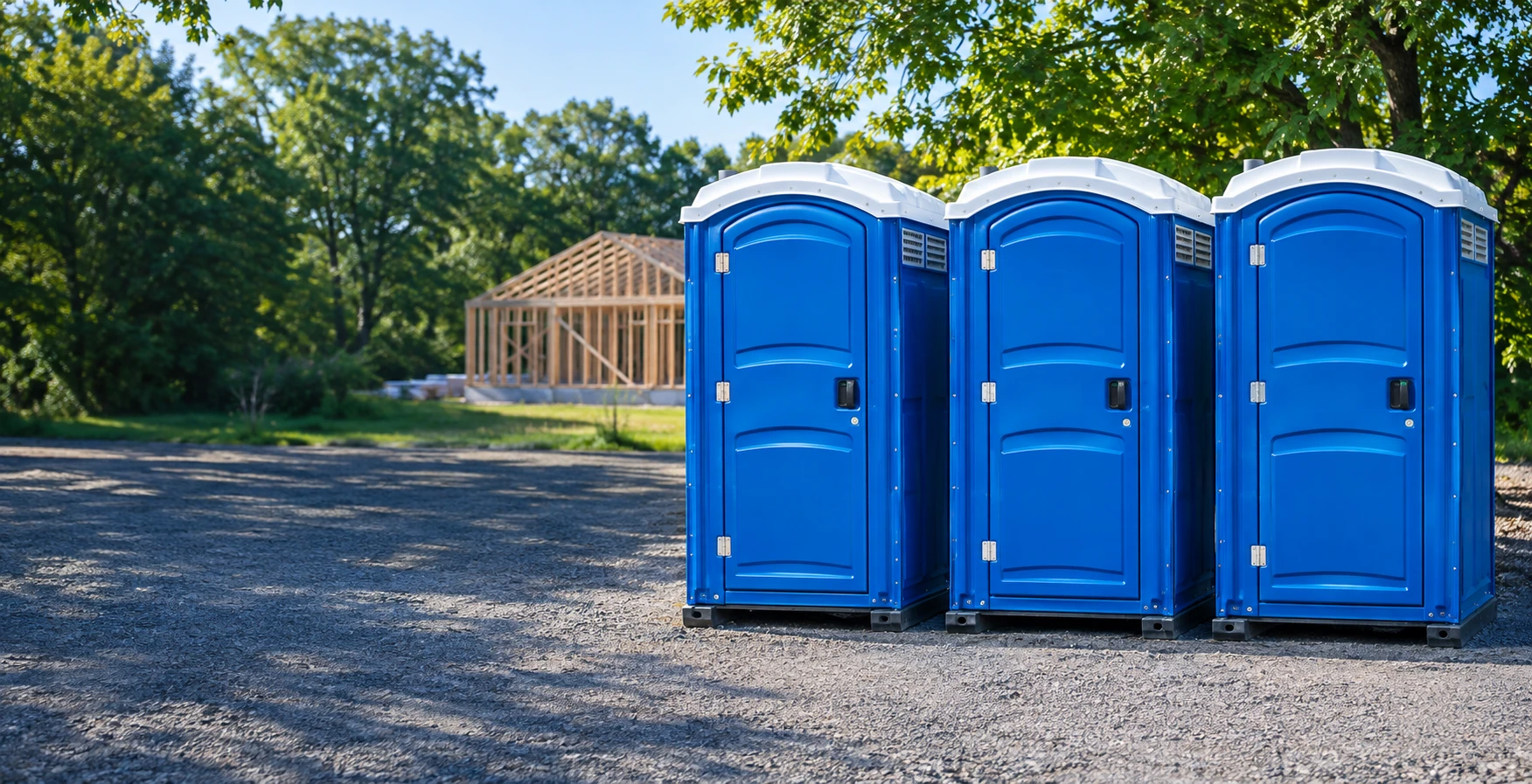
A standalone portable toilet creates a dedicated restroom point where permanent facilities are unavailable or inconvenient. Start by explaining who will use it: a small renovation crew, changing project teams, invited guests, or the public. The number of users and the hours they spend on site matter as much as the overall rental length.
Plan quantities around actual use
Share daily crew size or expected attendance, the event duration, and whether other restrooms will be open. Mention concentrated breaks, multiple shifts, or periods when everyone arrives together. Your local contact can discuss an appropriate quantity and service approach for the address and dates, rather than relying on a one-size-fits-all headcount assumption.
Choose a position that remains useful
A firm, level area should be convenient for users while remaining reachable for delivery and scheduled servicing. Consider the occupied site: vehicles, stored materials, vendor tables, and guest queues all take space. Give clear entrance instructions and tell the team about gates, narrow driveways, soft ground, or any restrictions on when a vehicle may enter.
Add the facilities that complete the setup
Ask whether hand-washing facilities are needed alongside the toilets and which accessible options suit the people using them. Confirm equipment specifications, included supplies, and replenishment arrangements. If you are comparing a standard unit with a larger restroom format, discuss the footprint and servicing requirements as well as the appearance of the equipment.
Confirm the whole rental arrangement
Your quote should explain the rental period, delivery, pickup, servicing, and any additional charges. For a longer job, ask how extensions or extra visits are handled. For an event, agree on setup and collection windows with enough time to coordinate other vendors. Call with changes in attendance or access while there is still time to adjust.